Indoor and Outdoor Display Ideas for Bronze Memorial Sculptures
A custom bronze memorial sculpture is a timeless tribute that captures the spirit, legacy, and memory of a loved one. However, the emotional resonance of the artwork depends heavily on where and how it is displayed. Proper placement transforms a beautiful casting into a sacred space for reflection, connection, and peace.
Whether you are curating an intimate indoor space on a mantelpiece or dedicating a large-scale outdoor garden monument, environmental context matters. In this comprehensive guide, we explore the best indoor and outdoor display ideas, pedestal selections, lighting techniques, and crucial preservation tips for bronze memorials.
Section 1: Indoor Display Strategies
Displaying bronze indoors shields the artwork from harsh weather while allowing for intimate, up-close appreciation. The primary goal indoors is to integrate the memorial seamlessly into your home’s aesthetic while giving it the reverence it deserves.
Classic Indoor Locations
- The Mantelpiece: A traditional center of the home. Placing a bronze bust or half-life sculpture above a fireplace naturally draws the eye, symbolizing the warmth and ongoing presence of the loved one.
- Dedicated Pedestals in Entryways: Elevating the memorial on a dedicated plinth in a foyer or entryway serves as a powerful "statement" piece. It separates the artwork from everyday clutter, marking the space as intentional and respectful.
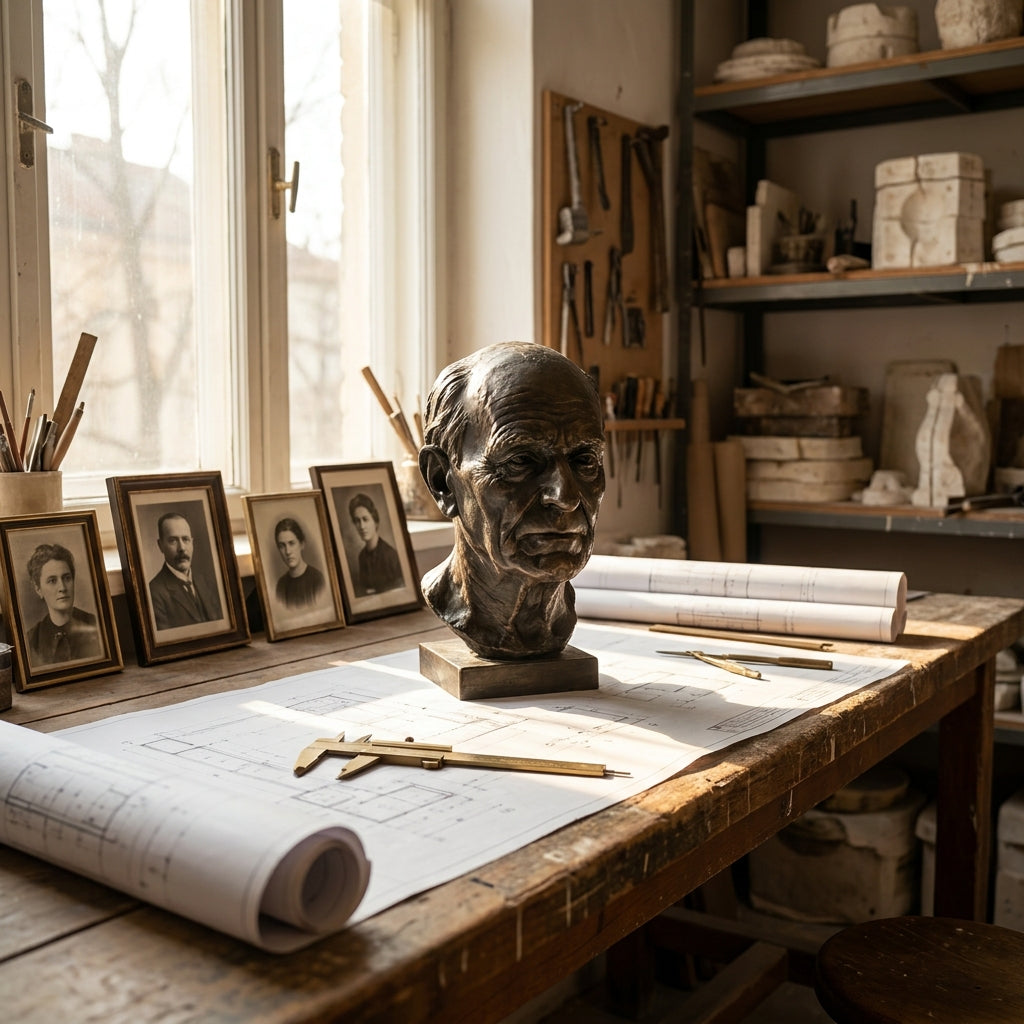
- Library or Study Shelving: For smaller tributes, integrating the bronze among curated books, vintage framed photographs, and soft lighting creates an atmosphere of quiet intellectual reflection.
Indoor Pedestal Selection
The base dictates the mood. A warm walnut wood pedestal softens the coldness of the metal, making it feel deeply personal. Conversely, a polished marble or acrylic plinth gives the bronze an elevated, museum-quality aesthetic. Ensure the pedestal surface is slightly wider than the sculpture’s footprint to visual anchor it.

Section 2: Outdoor and Garden Placement
Outdoor memorials require careful landscape planning. Bronze is engineered to withstand the elements, growing richer over time as its patina interacts with the environment. Setting a memorial outdoors invites nature to become part of the tribute.
Creating Dedicated Spaces
- The Pathway Focal Point: Position the sculpture at the terminus of a winding garden path. This forces the visitor to slow down and approach intentionally, creating a physical journey that mimics emotional reflection.
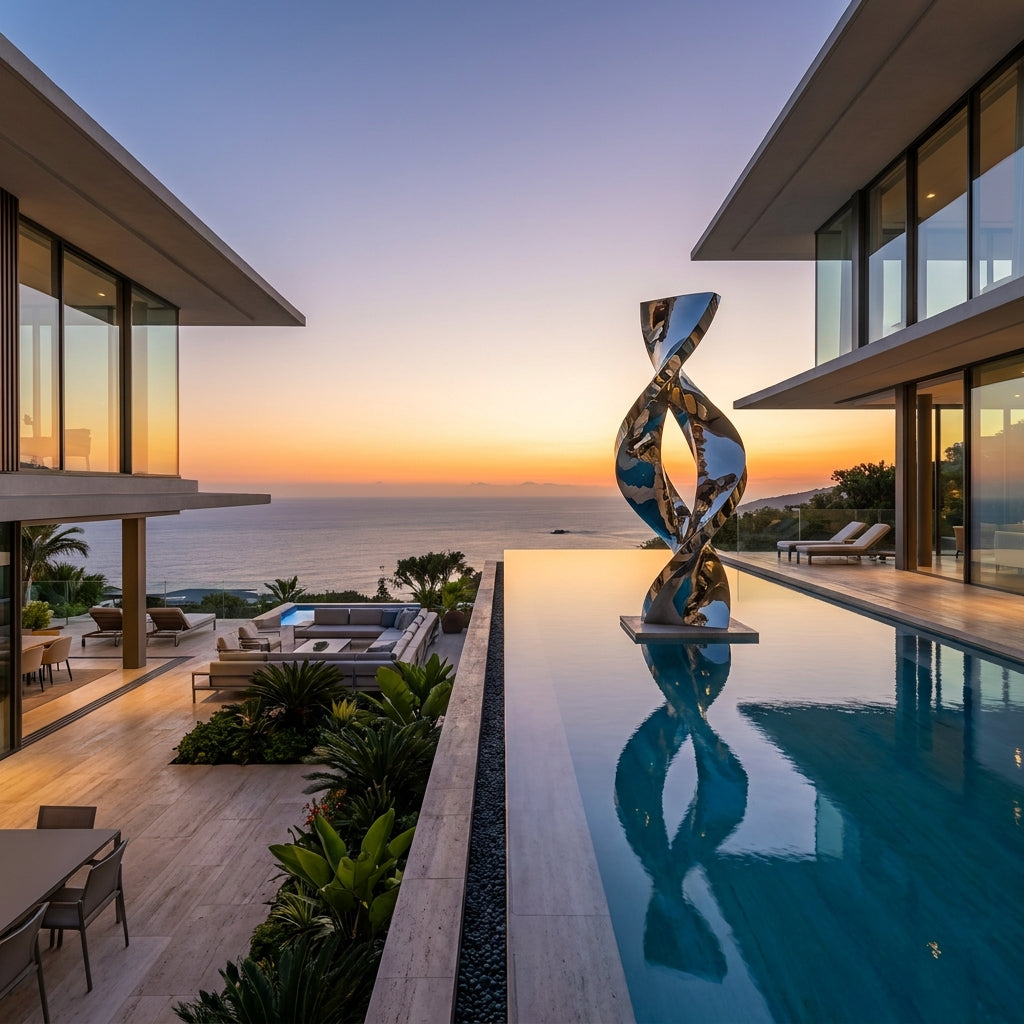
- Water Feature Integration: Bronze visually harmonizes with water. Placing a tribute statue near a koi pond, quiet stream, or reflecting pool adds the soothing auditory element of moving water. Important: Do not submerge bronze in highly chlorinated pools or saltwater, as this accelerates unwanted metallic corrosion.
- Framing with Flora: Plant evergreen shrubs or graceful weeping willows behind the piece. The greenery acts as a living backdrop, ensuring the dark bronze "pops" visually rather than getting lost against a busy or distant horizon.
Structural Foundations and Security
Never place a heavy bronze directly onto soft soil or turf. Over time, it will sink, tilt, or pose a safety hazard. Always pour a reinforced concrete foundation or use a broad stone slab. When bolting the sculpture to its base, if the base incorporates steel, a rubber or silicone buffer must be placed between the bronze and the steel to prevent electrolysis—a destructive chemical reaction caused by combining dissimilar metals outdoors.
Section 3: The Art of Lighting Bronze
Lighting is the critical differentiator between a memorial that disappears into the shadows and one that commands arresting emotional power. Because bronze is opaque and dark-toned, amateur lighting will flatten its dimensional beauty.
| Lighting Technique | Best Application | Key Consideration |
|---|---|---|
| Uplighting | Outdoors (Trees & Statues) | Place lights 12–24 inches from the base angled up. Avoid placing light directly underneath (the "horror" effect). |
| Cross-Lighting | Indoors & Galleries | Use two diffused lights from opposing angles to highlight texture while minimizing harsh shadows. |
| Warm Temperature (2700K) | All Environments | Bronze possesses warm undertones (reds, browns, golds). Cold white LEDs wash out the rich patina. |

Section 4: Maintenance and Long-Term Preservation
A frequent misconception is that bronze is indestructible. While it can last for centuries, the patina—the beautiful, colored surface chemical reaction applied by the artisan—is delicate and susceptible to environmental degradation if completely ignored.
- Avoid Touching with Bare Hands: Human skin contains natural oils and acids that, over time, can strip the patina, causing uneven oxidation (shiny spots where it is touched most).
- Cleaning: Never use abrasive sponges, chemical polishes (like brass cleaners), or acidic solutions. Dust gently with a soft microfiber cloth. If placed outdoors, use only clear lukewarm water and mild, unscented dish soap to clean off bird droppings or tree sap.
- Waxing: The absolute best defense is preservation wax. Once or twice a year, especially before harsh winters or intense summer sun, apply a museum-grade microcrystalline clear wax. This seals the pores of the metal and acts as a sacrificial barrier against UV rays, acid rain, and moisture.
Design Your Perfect Memorial with VELA SCULPTURE
From the initial clay sketch to advising on the final architectural installation, we ensure your loved one’s legacy is presented flawlessly. Connect with our master artisans to discuss bringing your vision to life.
Request a Project Consultation